I first started creating websites in sixth grade.
I got Photoshop from a friend and taught myself HTML within a few months of receiving my clunky new Gateway computer.
A small clique of emerging teen graphic designers / web developers took me in. We treated websites more like temporary art installations and compulsively redesigned our work.
The primary focus was on intricate collage-like designs, with no attention paid to utility or loading time. Clout was measured by your appearance on link lists and guestbook entries. Feedback was given in AIM group chats.
Then came Diaryland, Livejournal, Myspace, and eventually, Facebook.
Suddenly, everyone was online. We were no longer cool or special, and the makeshift art collective dispersed.
There are more content creators than ever on the web – even my most technologically inept friends are on Facebook and Instagram – but there are still relatively few people creating meaningful long-format work.
That’s why bloggers like Frank Chimero and Jakey Emmert are important.
That’s why I’m still around as well.
I fell victim to my old neurotic perfectionist tendencies lately.
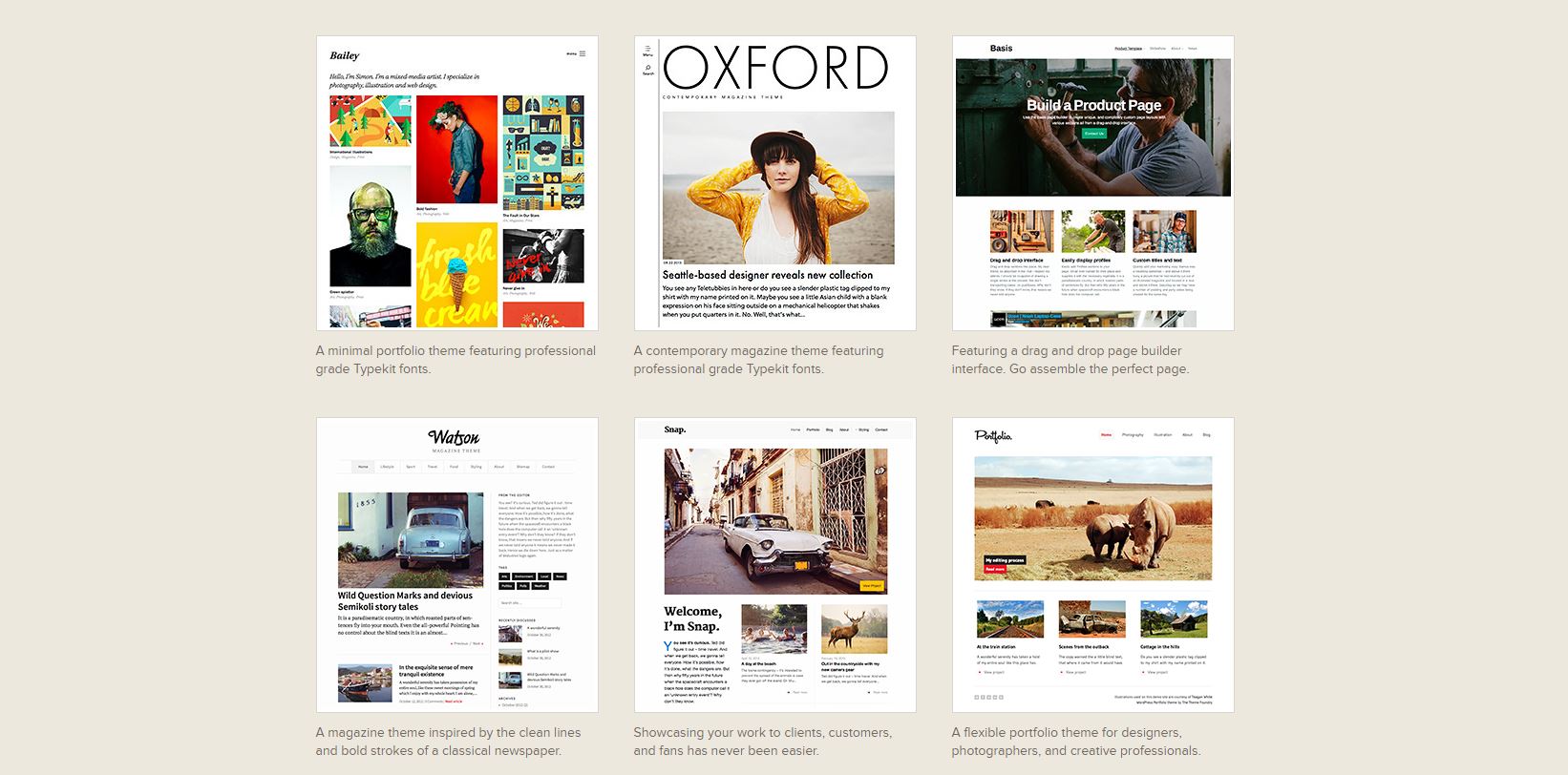
Instead of writing, I wasted hours wringing my hands over blog aesthetics.
Worries of widgets, UX, and mobile compatibility became more important than new entries.
I snapped out of it while reading Liz Danzico’s interview on The Great Discontent. She has a great bit of advice on learning to communicate effectively:
“Also, we live in an age of sound bites, and there is something about learning how to speak effectively and in small ways that is important. Say big things in small ways. Twitter has helped hone that a bit; it’s important not just in writing, but in communication of all kinds. That is not to say that long-form writing isn’t important, but if I were to give advice to my younger self, I would say that it’s important to learn to communicate succinctly.”
Danzico’s advice made me realize that all of this fretting about blog aesthetics was unnecessary and getting in the way of succinct communication.
Perpetual redesigns are fine when your website is an art project, but this is a blog, and the primary value proposition here is the content, not the appearance. (And frankly, some of my favorite blogs are simple, cluttered, or even ugly.)
Focus and brevity have simplified my work life.
I’m implementing this “cut the bullshit” approach in my professional life as well. Now my work emails, conference calls, and meeting agendas are dramatically shorter.
Apparently life is far easier when you stop obsessing over extraneous details and get to the point.
Who knew?